The default setting in Windows Search is to bring up local search results from the computer; along with Web Results located under “Search the web” section and a dedicated right-panel showing a preview of websites, videos and trending searches related to the search term that you had typed into the Start Menu Search bar.
While Web Results and related searches from the Internet can be interesting and useful, they are not really required when a user is only trying to look for files, programs, apps or settings located on the Local Hard Disk of the computer. Hence, let us go ahead and take a look at different methods to eliminate web results in Windows Search.
Disable “Web Search Results” in Windows 11/10
Until the native toggle to disable Web results in Windows Search becomes available (most likely with 26H2 rollout), the only way to eliminate results from the internet in Windows Search is by creating a new registry key; as provided below in the first method.
If you are not comfortable with the idea of editing registry files, you can wait for Windows 26H2 update to become available and reduce the amount of web content appearing in Windows Search results by disabling “Search Highlights” (second method).
Note: It is a good idea to create a System Restore Point and/or back registry; before making any changes to registry files on your computer.
1. Disable Web Results Using Registry Editor
Currently, the most reliable way to prevent “Web Search Results” from appearing in Windows Start Menu or Taskbar Search is by using Registry Editor.
1. Right-click on the Start button and click on Run.
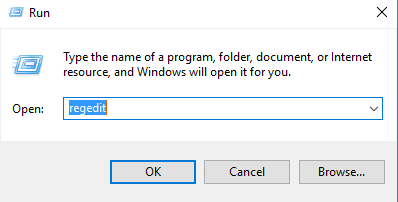
2. In the Run Command window, type regedit and click on OK.
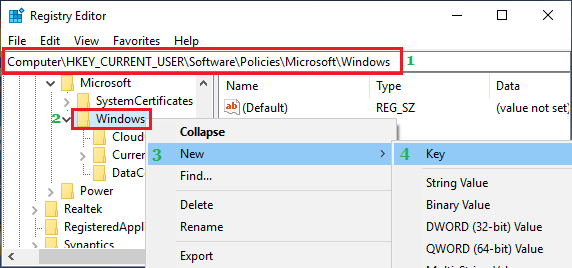
3. From the Registry screen, navigate to HKEY_CURRENT_USER\Software\Policies\Microsoft\Windows and create a New Key by right-clicking on Windows and selecting New > Key in right-click menu.
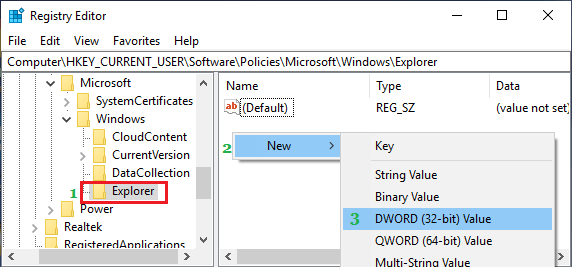
4. Name the New Key as Explorer.
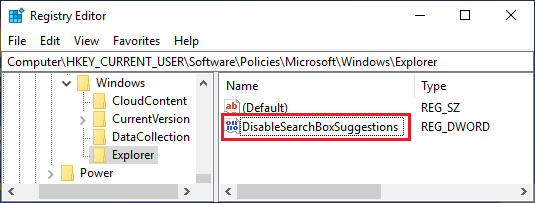
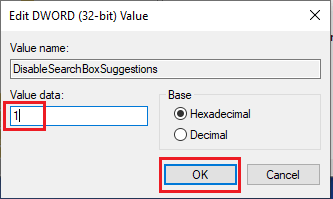
5. Next, right-click on Explorer select New > DWORD (32-bit) Value and Name this newly created DWORD as “DisableSearchBoxSuggestions” and hit the Enter key.
6. Now, Double-click on the newly created DisableSearchBoxSuggestions DWORD.
7. On the pop-up, change the Data Value for DisableSearchBoxSuggestions to 1 and click on OK.
8. Restart the computer for this change to apply.
After the computer restarts, you should no longer find “web search results” appearing; when you type in the Start Menu or Taskbar search box on your computer.
If you change your mind, you can bring back “web results” by deleting DisableSearchBoxSuggestions DWORD or changing its Data Value to 0.
Note: Above steps disable “web search results” only for the current User Account on your computer.
Search Indexing Turned OFF
After disabling “web search results”, you may find Windows coming up with “Search indexing was turned off” message and prompting you to “Turn indexing back on”.

If this happens, try to use the Search Box and you should find it working properly and bringing up relevant Search results from the Local Hard Drive of the computer.
2. Disable Search Highlights
As mentioned above, you can prevent Windows from showing trending web topics and other types of trivia from the internet by disabling Search Highlights.
1. Press (Windows + I) keys to open the Settings Menu on your computer.
2. From the Settings screen, go to Privacy & Security and click on the Search tab.
3. On the next screen, disable Show Search Highlights option by moving the toggle to OFF position.

After this, you should no longer find related websites, trending web topics and other types of information from the internet being highlighted in the right-pane. However, you will still find web results appearing in a minimized “Search the Web” section.
3. Disable Web Results in File Explorer
While the chances of File Explorer bringing web search results or suggestions from the internet are rare, it can sometimes bring in web results (possibly due to cloud integration).
However, you can easily prevent the possibility of Web Results appearing in File Explorer search by limiting the reach of File Explorer to the local hard drive of the computer.
1. Go to Settings > Privacy & Security > Search > click on Advanced Indexing Options.
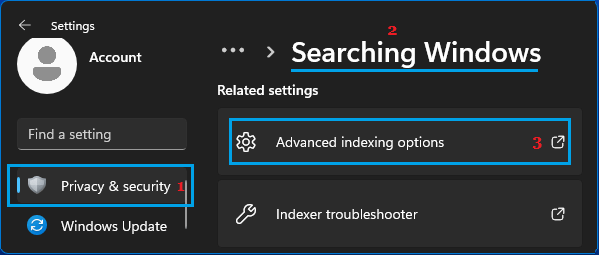
Windows 10. Go to Settings > Search > Permissions & History > Searching Windows > Advanced Search Indexer Settings.
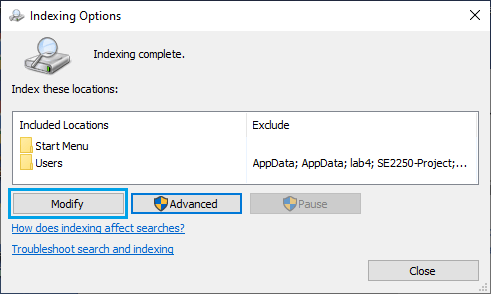
2. On Indexing Options screen, click on the Modify button.
3. On Indexed Location screen, click on Show All Locations button.
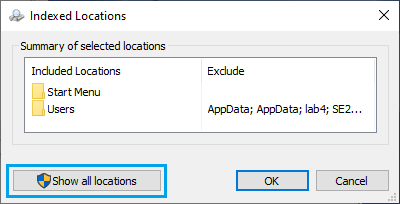
4. On the next screen, uncheck Internet Explorer History (if selected) and select only the Hard Disk.
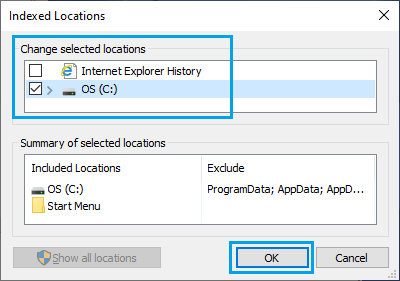
5. Click on OK and allow Windows to Rebuild the Search Index.
Advantages of Disabling “Web Results” in Windows
Disabling “Web Results” on a Windows computer limits the scope of Windows search to the local hard disk of the computer, which should speed up Windows search.
- Speeds Up Windows Search: Disabling Web search results should significantly speed up Windows search; as it is no longer required to fetch data from Microsoft’s Bing servers and is not impacted by network latency.
- Focused Search Results: The “Best Match” results brought by Windows Search will be totally focused on local files, settings, apps and they will no longer be cluttered with web search results.
Disadvantages of Disabling “Web Results” in Windows
Disabling “Web Results” in Windows search can lead to the following disadvantages.
- Cloud Searching: Disabling web results in Windows Search prevents it from searching for files located on cloud storage services like OneDrive, Share Point and other cloud services.
- App Store Results: Windows Search won’t be able to suggest relevant apps from Microsoft Store.