In general, Err Tunnel Connection Failed Error in Google Chrome, Microsoft Edge and other web browsers is noticed on computers that are using VPN or Proxy server settings to connect to Internet.
This error message appears, when the web browser fails to establish a secure connection through the proxy or is unable to resolve the proxy connection due the VPN service being down or the proxy setting being incorrect.
Err_Tunnel_Connection_Failed Error in Windows
In most cases, Err Tunnel Connection Failed error can be fixed by going to “Internet Properties” screen on a Windows computer and disabling the “Use a proxy server” option.
However, this error message can also be caused due to corrupted browser cache, change in network settings and other reasons, which require other troubleshooting steps.
1. Clear Browser Cache
Before going ahead with other steps, it is a good idea to start by clearing the browser cache to rule out the possibility of the problem being caused due to corrupted browser cache.
After clearing the browser cache, restart the browser and try to access the website or the webpage that you were trying to reach.
2. Disable Proxy Settings
As mentioned above, disabling proxy server settings on the computer should help in fixing this problem.
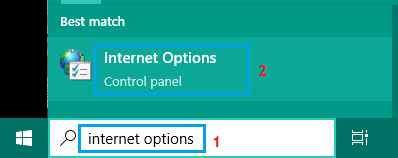
1. Type Internet Options in the Search bar and click on Internet Options in the search results.
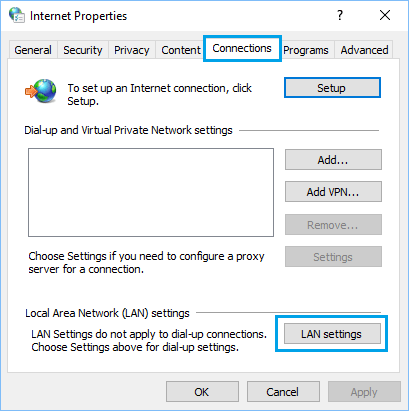
2. On Internet Properties screen, switch to Connections tab and click on LAN Settings button.
3. On LAN Settings screen, uncheck Use a Proxy server for your LAN option.
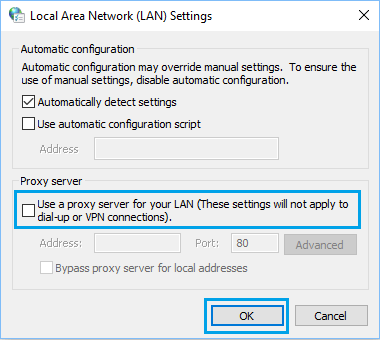
4. Click on OK to save this setting on your computer.
After this restart the computer and you should be able to access the website or webpage that was leading to the browser error on your computer.
3. Reset Network Settings
Run the following network troubleshooting commands to rule out the possibility of this problem being caused due to network related issues.
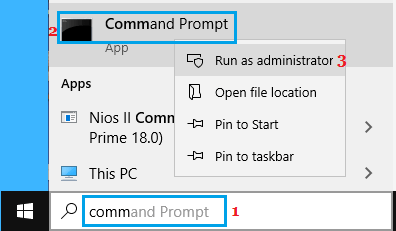
1. Type Command Prompt in the Search bar > right-click on Command Prompt in the search results and select Run as Administrator option.
2. On the Command Prompt screen, type netsh winsock reset and press the enter key.
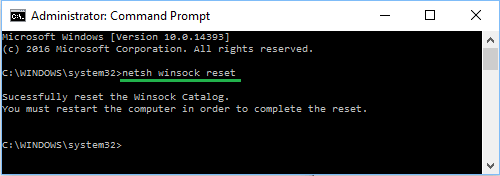
After this, type the following Commands one by one (In the same order) and press the enter key after each command.
- netsh int ip reset
- ipconfig /release
- ipconfig /renew
- ipconfig /flushdns
After this, Restart the computer and try to access the internet using Microsoft Edge, Google Chrome or any other web browser that was coming up with this error message.
4. Disable Automatically Detect Settings
When the browser is set to automatically detect settings, it follows the settings as defined in the operating system.
In case of Windows computers, the “Automatically detect settings” option is likely to be better optimized for the default Microsoft Edge browser and not for Google Chrome and other web browsers.
Hence, in theory; switching off “Automatically detect settings” might help Google Chrome and other Web browsers to deal with or resolve network conflicts in their own way.
1. Type Internet Options in the Search bar > click on Internet Options Control Panel in the search results.
2. On Internet Properties screen, switch to Connections tab and click on LAN Settings button.
3. On LAN Settings screen, uncheck the option to Automatically detect settings and click on OK.
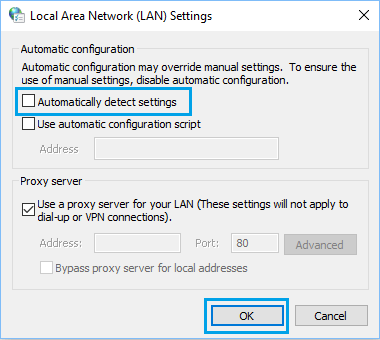
Important: If you are not using VPN, uncheck “Use a proxy server …” option.
Restart the computer and see if your computer is still coming up with Err Tunnel Connection Failed Error.
5. Use Network Troubleshooter
See if the built-in Network Troubleshooter as available in Windows can help in fixing the problem.
1. Go to Settings > System > Troubleshoot > Other troubleshooters.
2. On the next screen, click on the Run button located in “Network & Internet” tab.
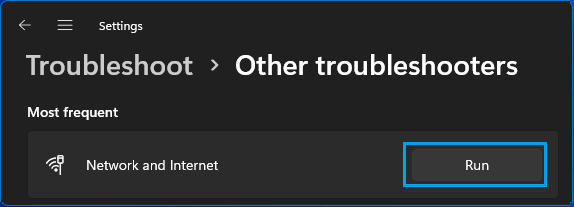
Windows 10: Go to Settings > Network & Internet > Status > click on Network Troubleshooter in the right-pane.
3. Wait for the troubleshooter to run, apply the fixes and come up with suggestions (If any).
6. Check Proxy Server IP Address and Port
If you do want to continue using proxy connection or VPN to access internet, make sure that you are using the right IP Address, Port, User Name and Password for the Proxy Connection on your computer.
IP Address: As provided by the VPN Service provider.
Port: Most proxies use Port 80, but some proxy providers may user other Ports.
User Name/Password: These should be known to you.
7. Contact VPN Service Provider
If you are still unable to fix the issue, visit the website of your VPN service provider and submit a help request.
If you are using the services of a reputable VPN service provider, you can expect them to have trained support staff to help you fix this error.