All the native and installed Apps on your MacBook should be available on the Launchpad, which has been specifically designed to display all the app icons, especially those located in the Applications folder. However, it is not uncommon to find apps missing from the Launchpad on a Mac.
This can happen, due to macOS updates, apps being moved out of the Applications folder and corruption of the dedicated database that powers the Launchpad.
In the case of third-party apps, the problem is usually due to apps not being properly installed, not being manually dragged to the Launchpad or becoming unregistered after being installed.
Recover Apps Missing from Launchpad On Mac
Since, the Launchpad relies entirely on its database to function, most Launchpad related problems can be fixed by forcing the Launchpad to rebuild its internal database.
This can be done by removing the corrupted database files located in the Dock Folder on your Mac and also by Resetting the Dock (which resets the Launchpad). Both these methods can bring back the missing apps by forcing macOS to rebuild its applications database.
1. Drag Third-party Apps to Launchpad
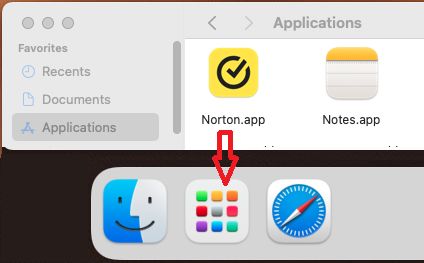
2. Rebuild the Launchpad Database
You can follow the steps below to delete the corrupted database files located in the Dock Folder on your MacBook and re-launch the Launchpad.
1. Click on the Finder Icon to bring up the Go menu in the top-menu bar on your MacBook.
2. Next, select the Go tab in the top-menu > press and hold the Option key and click on Library in the drop-down menu.
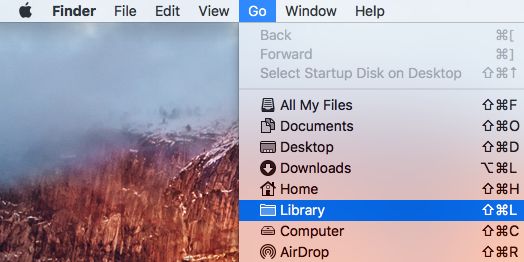
Note: If you are using an external keyboard, press and hold the Alt Key and this will reveal the Library option in the Go menu.
3. On the Library screen, open the Application Support Folder by double-clicking on it.
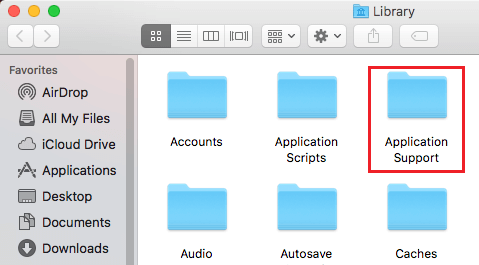
4. In the “Applications Support” Folder, open the Dock Folder by double-clicking on it.
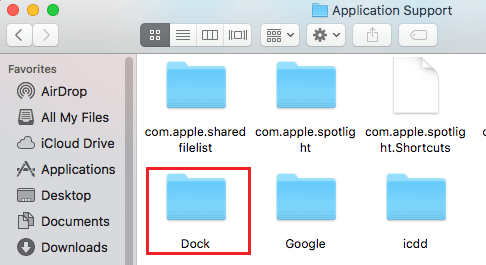
5. Inside the “Dock” folder, select files ending with .db and move them to the trash-bin.
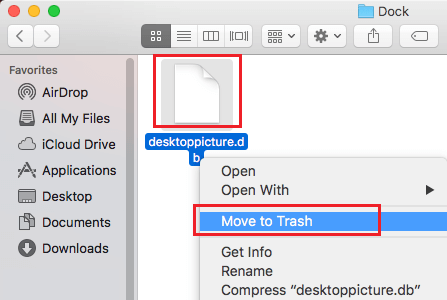
6. After this, restart the MacBook by clicking on Apple Logo in the top-menu bar and selecting the Restart… option.
Once the Mac restarts, you should be able to see the missing App icons back in the Launchpad.
3. Reset Dock Using Terminal
Since, the Launchpad is a part of the Dock, resetting the Dock is another way to bring back the missing App Icons on the Launchpad.
1. Open the Finder on your Mac > Go to Applications Folder and click on the Terminal Icon.
2. On the Terminal screen, type defaults delete com.apple.dock; killall Dock and press the enter key on the keyboard of your Mac.

3. This will make the Dock disappear for a moment, after which you should find it appearing back with as many App Icons as the screen of your MacBook can accomodate.
After this, open Launchpad by double-clicking on the Launchpad Icon and see if the missing apps are back on it.