If you are using Windows computer for all your computing needs and iPhone as a mobile device, you might be interested in knowing the steps to setup and use iCloud Drive on a Windows computer.
Similar to OneDrive, Apple’s Cloud storage service provides the option to automatically sync photos/files from computer to iCloud Drive and also the option to manually drag files from the computer to iCloud Drive.
Once photos/files are uploaded to iCloud Drive, you can access them at any time on your computer and iPhone by logging into your iCloud Account.
Use iCloud Drive on Windows Computer
All that is required to setup and use iCloud Drive on a Windows computer is to download & Install iCloud for Windows Application on the computer and sign-in to iCloud using your Apple ID.
Once you are signed-in to iCloud, you will see the option to enable Apple’s iCloud Drive service and also the option to make use of other iCloud related services like iCloud Photos, Mail, Contacts, Calendars & Bookmarks.
If you enable iCloud Photos, photos that you add to iCloud Photos folder on the computer will be automatically saved to iCloud and become accessible from your iPhone.
If iCloud Photos is enabled on iPhone, photos that you take on iPhone will be saved to iCloud and become accessible on your computer.
Similarly, you can enable Mail, Contacts, Calendars to sync Microsoft Outlook Mail, Contacts, and Calendars to iCloud.
1. Download & Install iCloud for Windows
Apple’s free iCloud for Windows application can be downloaded from the App Store and also from Microsoft Store.
1. Open Microsoft Store on your computer > search “iCloud for Windows” and click on Get to start the process of downloading iCloud on your computer.
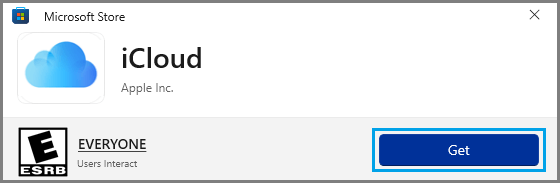
2. After the download is completed, click on the Open button > Sign-in to iCloud by entering your Apple ID and Password.
3. Once you are signed-in, check the little box next to iCloud Drive, Photos and other iCloud Services that you want to use.
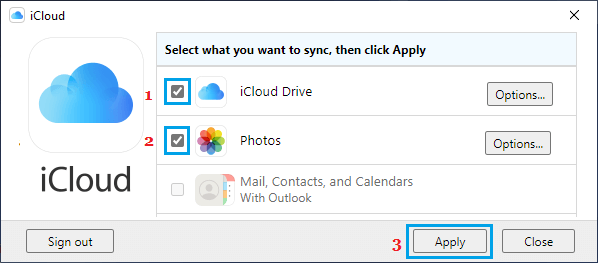
Note: Mail, Contacts and Calendars will be available for selection only when Outlook is available on your computer.
4. Once you are done selecting, click on the Apply button to complete the setup process.
2. Sync iCloud Drive Files to Computer
If you checked the little box next to iCloud Drive during the Installation process, you have already provided iCloud with the permission to sync or bring iCloud Drive Files to the computer.
You can access iCloud Drive files on your computer by using the following steps.
1. Open the File Explorer on your computer.
2. On the File Explorer screen, click on iCloud Drive tab in the left-pane.
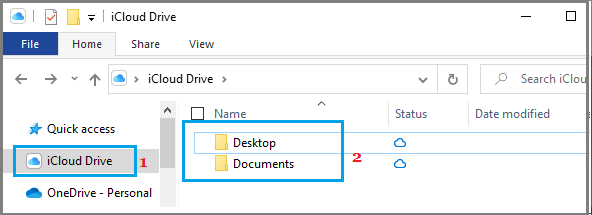
3. In the right-pane, you will find Desktop and Documents folders containing files synced from iCloud Drive to your computer.
3. Manually Upload Files from Computer to iCloud Drive
As mentioned above, you can also manually drag any File, Photo or Document located on the Desktop or any other folder/location on your computer to iCloud Drive.
1. Open the File Explorer on your computer.
2. Select iCloud Drive tab in the left-pane and open Desktop or Documents Folder.
3. Drag the Document or File that you want to upload to iCloud into the Desktop or Documents Folder.
For Once the File gets uploaded to iCloud Drive, it can be accessed from anywhere on any of your devices.
4. Sync iCloud Mail, Contacts and Calendars to computer
If Microsoft Outlook is installed on your computer, Apple’s iCloud Service provides the option to Sync Email, Contacts and Calendars from iCloud to the computer.
As mentioned above, this option becomes available only if Microsoft Outlook is installed on the computer.